Hello dear reader!
Welcome to another issue of this newsletter. This week I want to talk about walking.
In this issue:
- Walking as more than a photo walk
- How walking shapes the way we see a city
- The creative state that comes from moving on foot
I’ve been re-reading Shane O’Mara’s In Praise of Walking, a book that explores the science behind why walking is so good for us. Not just physically, but cognitively and creatively. While thinking about what to write for this issue, I stumbled into this line: walking “can shape our experience of the world — it can, for example, change the nature of how time is experienced.”
I felt that this weekend.
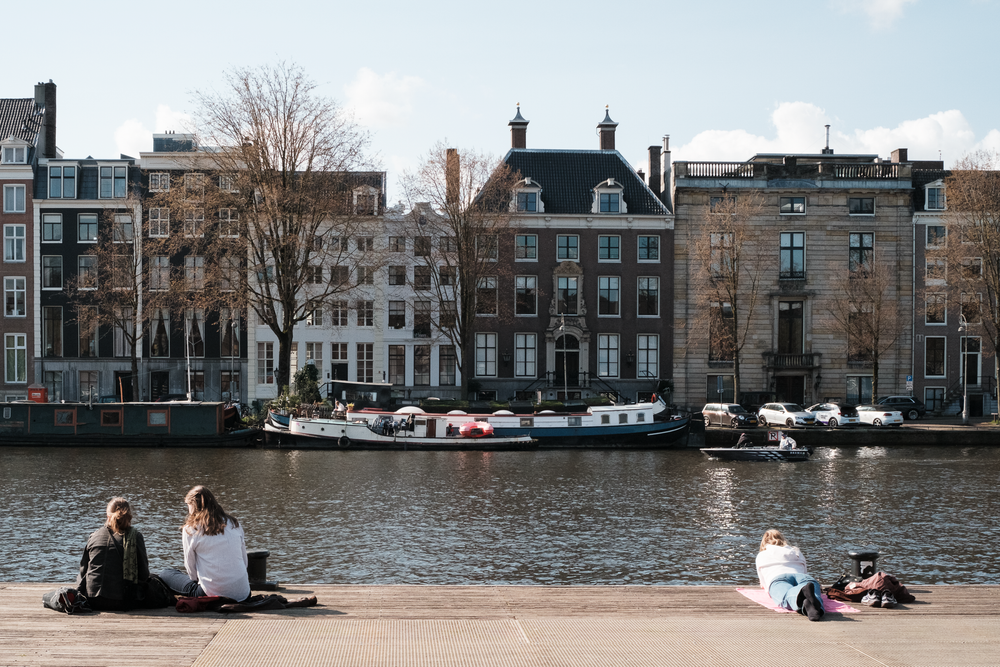
My wife and I went out on one of those early spring days: sunny but cold, the kind of light that makes everything sharp. We followed the Amstel for most of the way, photographing along the route, and by the end of the afternoon we’d covered about ten kilometers. The walk felt much shorter than it was.
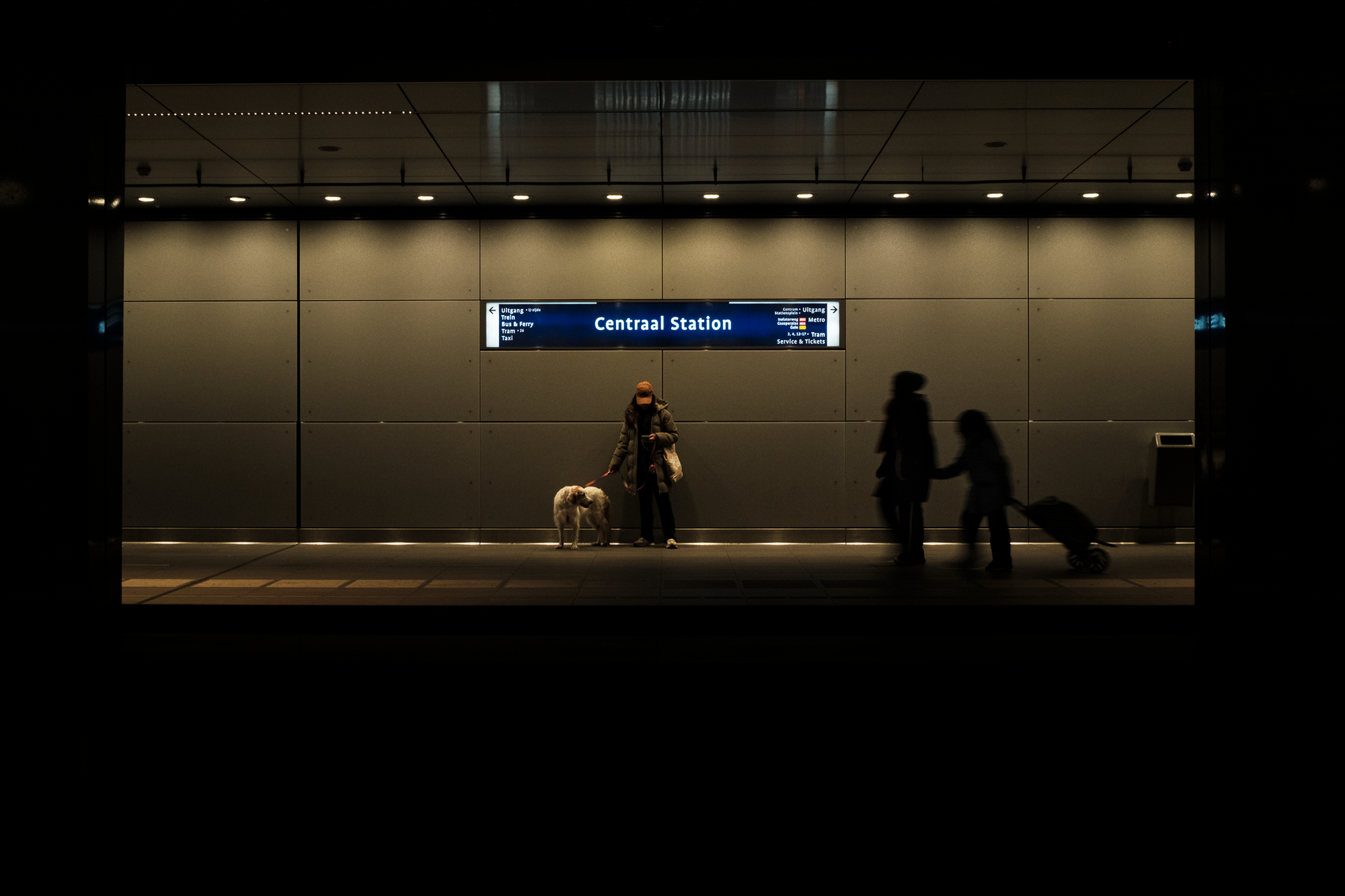
That distortion of time is something O’Mara describes well, and I think any photographer who walks regularly has felt it. You step outside with the camera, start moving, and at some point the walk takes over. Time stretches and compresses in ways that don’t happen when you’re on a tram or a bike.
More than a photo walk
For photographers, walking is often framed as the “photo walk.” You go out, you look for shots, keep walking, more shots, you come back. But I think walking goes far beyond that.
Walking is how I’ve come to know Amsterdam, and the cities I’ve lived on. Over months of walking the same streets, I’ve built mental maps that has little to do with directions, and more with references and experience. It’s a map of light, shadows, and perspectives. I know where the sun hits a particular facade in the afternoon, or if the shadows transform a corner during certain time of the year.
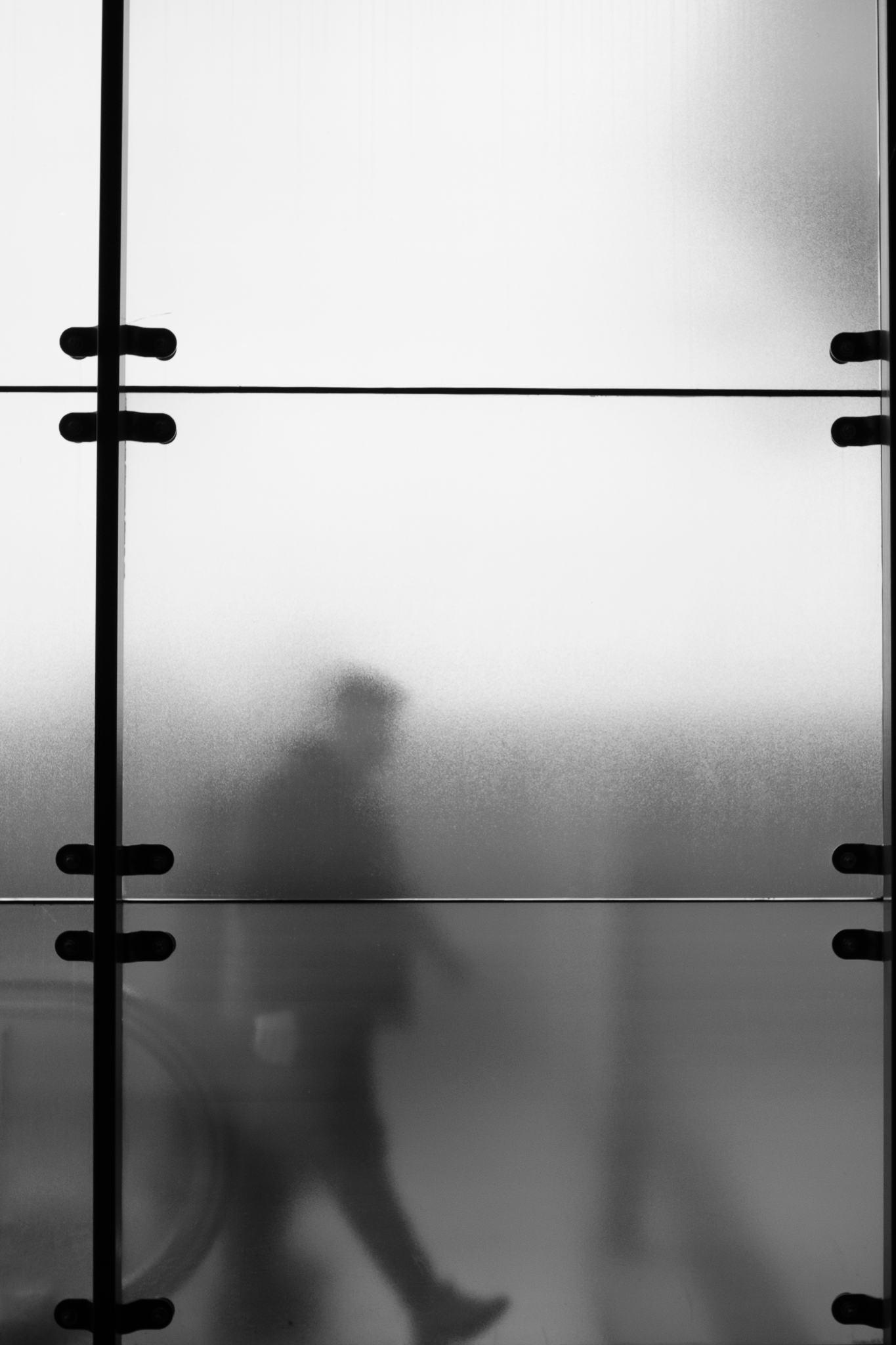
I’m sure, you might have something similar. A map, and knowledge, that only comes from walking. From a car or even a bike, the city is a sequence of destinations, it’s even blurry. On foot, it becomes an experience. You start noticing things that were invisible at any other speed: the sound of fellow walkers, the clink of a rusty bicycle. Walking gives detail.
Walking as a creative act
O’Mara writes about how walking stimulates the brain in ways that encourage creative thinking. There’s real neuroscience behind this. Walking increases blood flow to the brain and promotes the kind of unfocused attention that allows ideas to connect in unexpected ways. It’s the reason so many writers and thinkers have been devoted walkers.
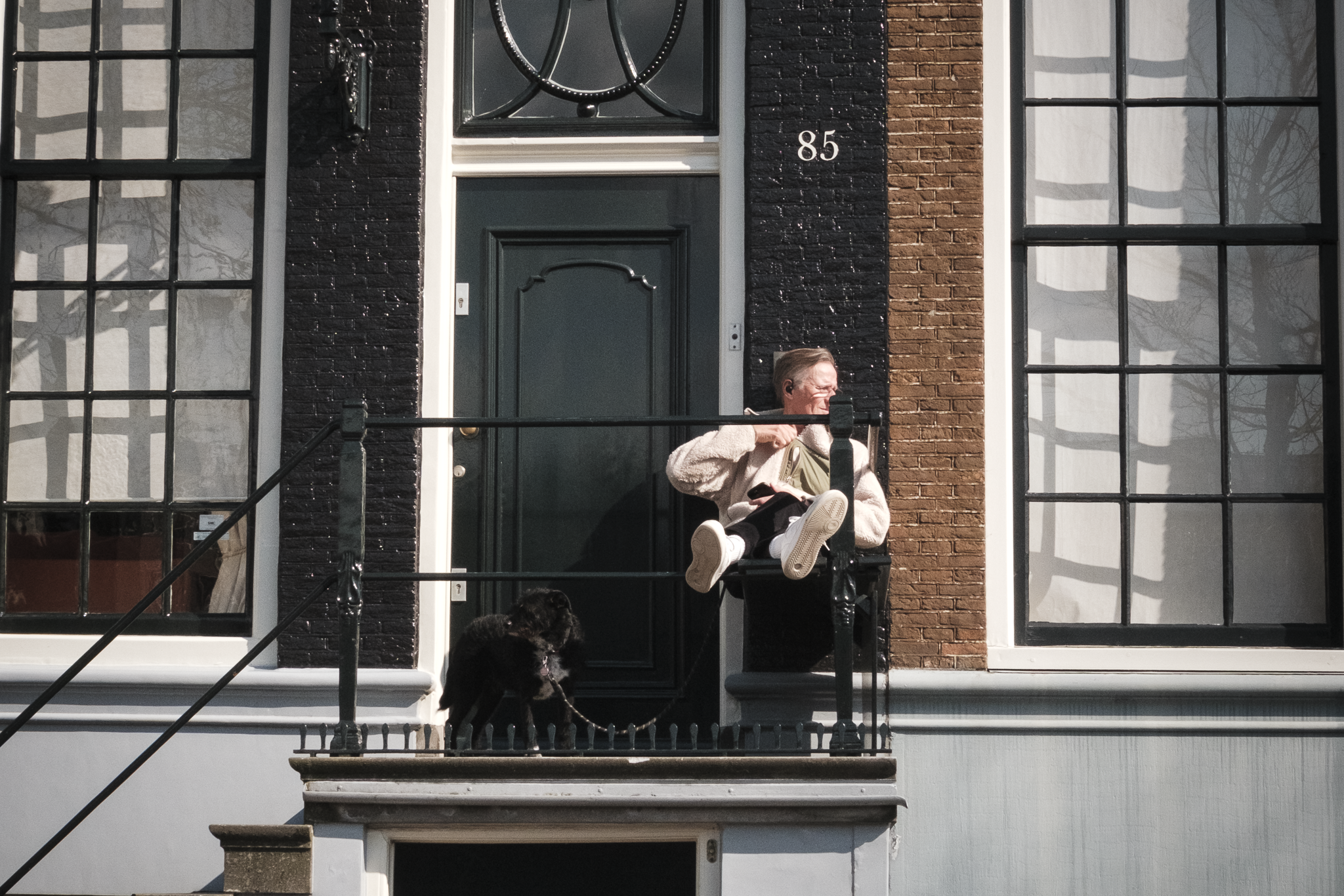
I’ve written before about slowing down to move fast. Walking is the physical version of that idea. You slow your pace, you let the surroundings come to you rather than rushing through them. The result is a creative state that feels almost effortless. Who hasn’t had a “random” idea or a fix to a problem while walking.
During our walk along the Amstel, I wasn’t hunting for photos. I was just walking, looking, being present. By starting to notice, the photos came. Not because I was trying, but because walking had put me in the right state of mind.
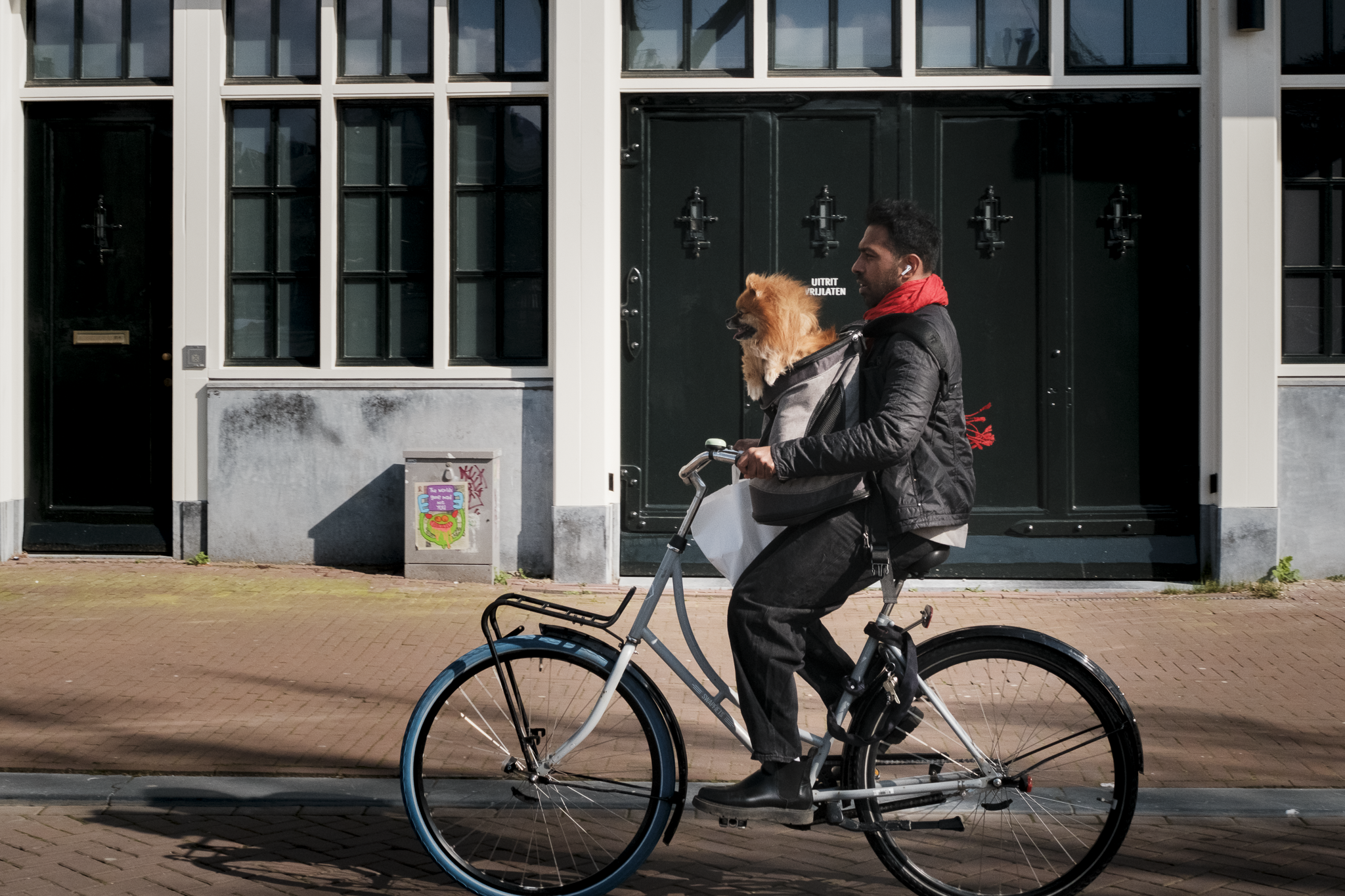
The city at walking speed
There’s something about experiencing a city on foot that I think we’ve been losing. Just as algorithms mediate what we see online, speed mediates what we see in the physical world. The faster we move, the less we notice. Walking is a way to push back against that, to let public space reveal itself. To slow down enough to actually see.
That’s it for today. I’m curious: do you walk as part of your creative practice? Has a walk ever changed the way you see your own city? Hit reply, I’d love to hear about it.
Luis