I still remember the first computer that we got at my parents’ place. One of those running on MS-DOS, running a terminal in which, after a couple of instructions, I could play some games. Some time later, the computer got Windows, and later on a connection to the internet. I vividly remember the computer, located in the studio/room where my brother and I used to play in. It is one of those memories that have stayed with me for years.
That computer not only opened games, but new possibilities to connect with other people, to reach other instances and see the world in a different way. Connected from that room in Guadalajara the exploration was possible. The sense of wonder, like a walker in a new city, discovering new places.
It has been a long time since that first encounter with the online world. Now, as I look back at it, there’s a feeling of nostalgia and envy of the opportunity to discover and navigate new places just based on curiosity rather than being mediated by an algorithm. A curiosity-driven navigation, rather than an “engaged” optimized one.
I’m thinking about it not only from the sense of wonder, but also as a creative, as a photographer discovering new people and sharing my work with others. I got to think about that memory as I was pondering which photo to share, which one might have a better engagement, or a higher chance to get people from Instagram to this newsletter. Yes, I’ve been playing the game too. Trying to optimize for some arbitrary algorithm to try to get people to “discover me” or to find these words and engage in a conversation, not dropping a “like” while scrolling an infinite feed, and only seeing a photo for an instant - is it possible to see in a couple of seconds?
Between that early memory and today so many things have changed. Platforms have come and gone, ways to connect have morphed, and our attention spans have shrunk to the point that we scroll past videos, even when we’re with other people in person.
The media has also changed, even in a short time. Think about Instagram, what used to be a place to share photos with some over the top filters, is now a place polluted with videos and ads that are designed to keep us hooked on the app. As a photographer I have noticed that it also has some effects on my practice. I started shooting more vertical photos, not because that’s how we see, but because vertical works for stories, reels, and smartphone screens. I started adding music to posts so they play as reels. Small changes driven by the platform, forcing me to think beyond the photo itself. I still have resisted to do videos, but I’d be lying if I said the platform hasn’t shaped my choices.
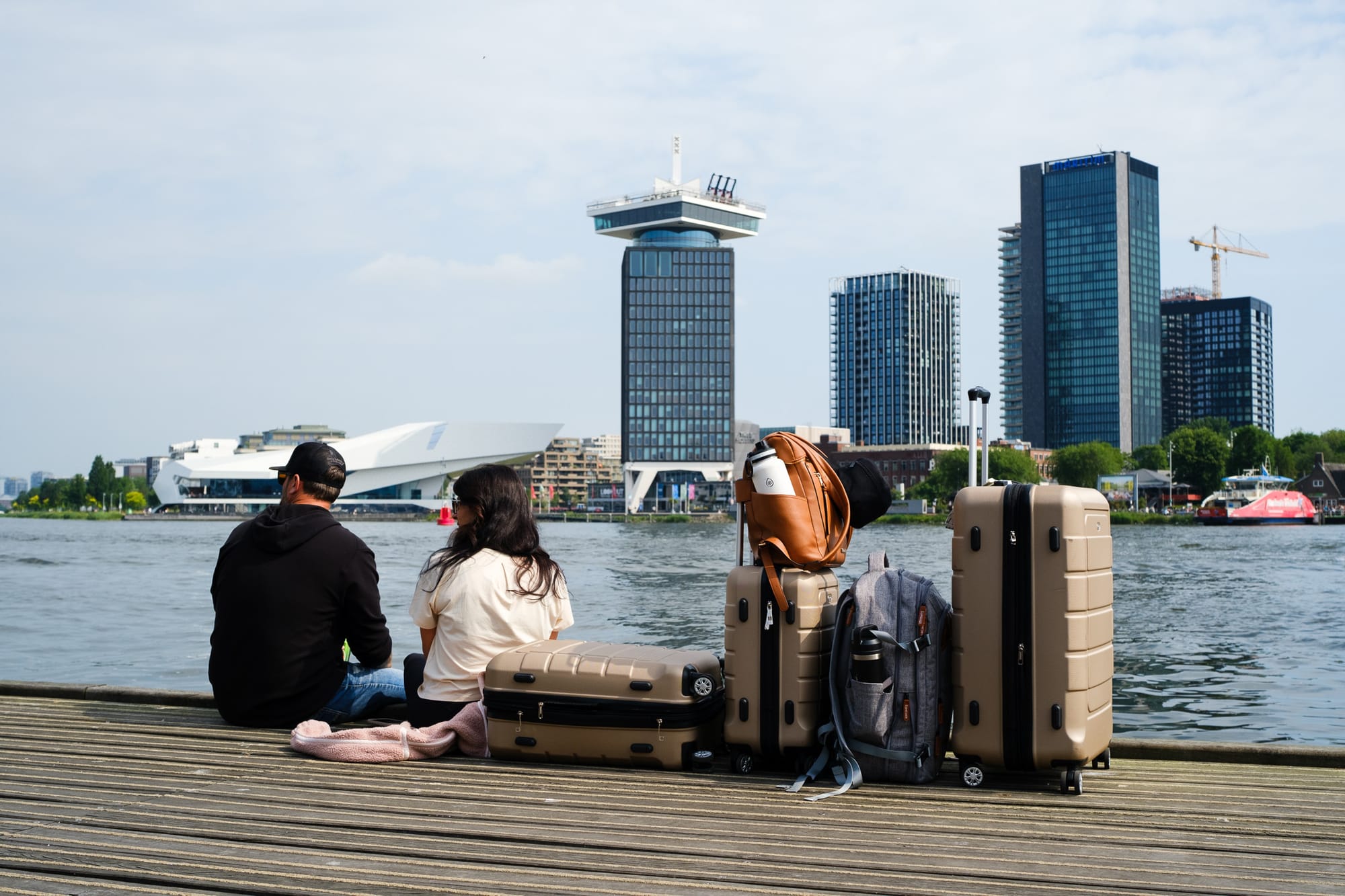
I still shoot what I want. But I’ve noticed that some photos, the ones with more detail, or a scene that requires time to be looked at, I wouldn’t prioritise posting. I know the time a person spends on a photo is a fraction of a second, a couple of seconds at most. Some images need more than that, and Instagram won’t give them the space.
Then why am I writing this? Because it is possible to have a community and photography without Instagram. Or at least, without having Instagram as the central node. Take for example the Fediverse, a decentralised social network to share not only photos, but ideas. When I shared that I was writing this post, people suggested Pixelfed, recommended hashtags to follow, pointed me to other photographers. I’ve connected with people there who share their photos directly or have their own websites. And conversation actually happens, the replies are more and deeper than on Instagram. Or newsletters, which feel like the most direct way to reach someone. Or the Fediverse, which feels more like a conversation. There’s a whole range of media where people are sharing photography and creativity.
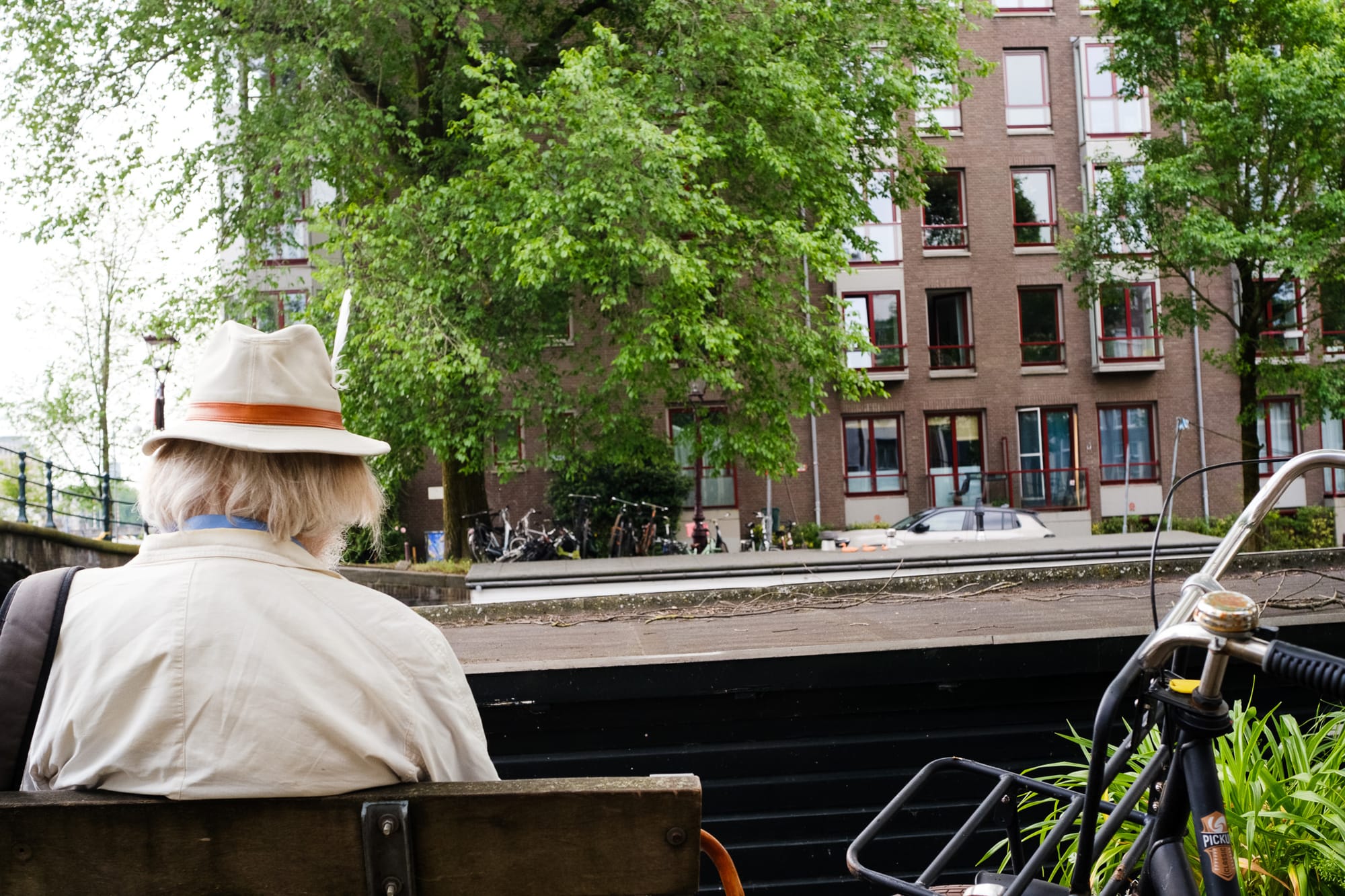
As I think back on the opening scene I realise that not everything has been mediated by commercial algorithms. When I started this newsletter, the first issue was about running away from the algorithm. That hasn’t changed. I still see this as a way to connect directly with people, to engage in conversations rather than optimising for likes. There are still some places to discover, and most importantly, more people putting their work out there in interesting ways, trying to also stay away from playing a never-ending game of optimization. An algorithmic rat-race. There’s hope to keep discovering.