The place was tucked away in a side street, one of those where it seems like nothing is happening. A wine shop with the lights out, and beside it a small wooden door that must have been installed some hundred years ago, the type that makes a sound every time it is opened or closed. A small window let some light out, just enough to show there was something going on inside.
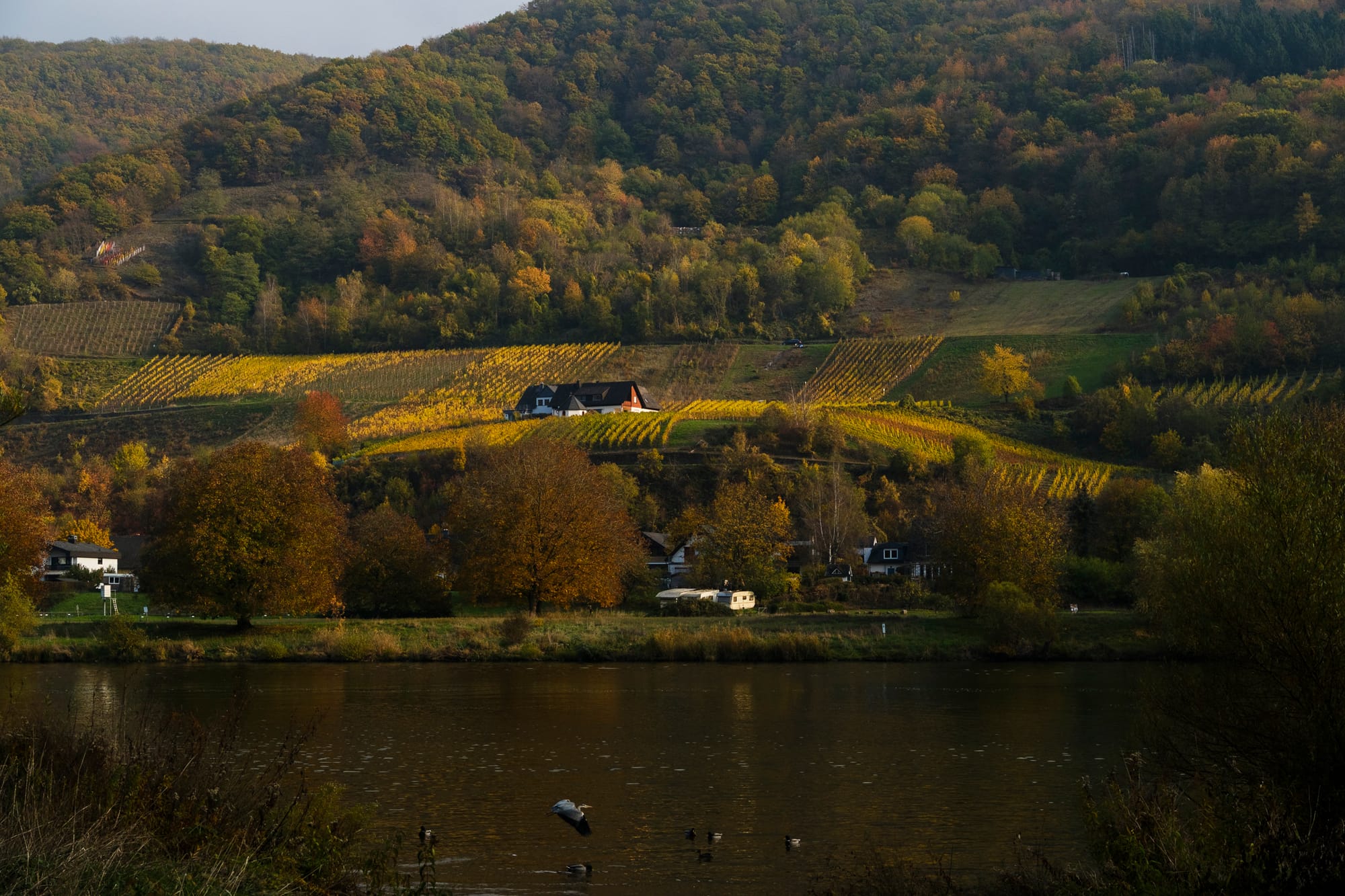
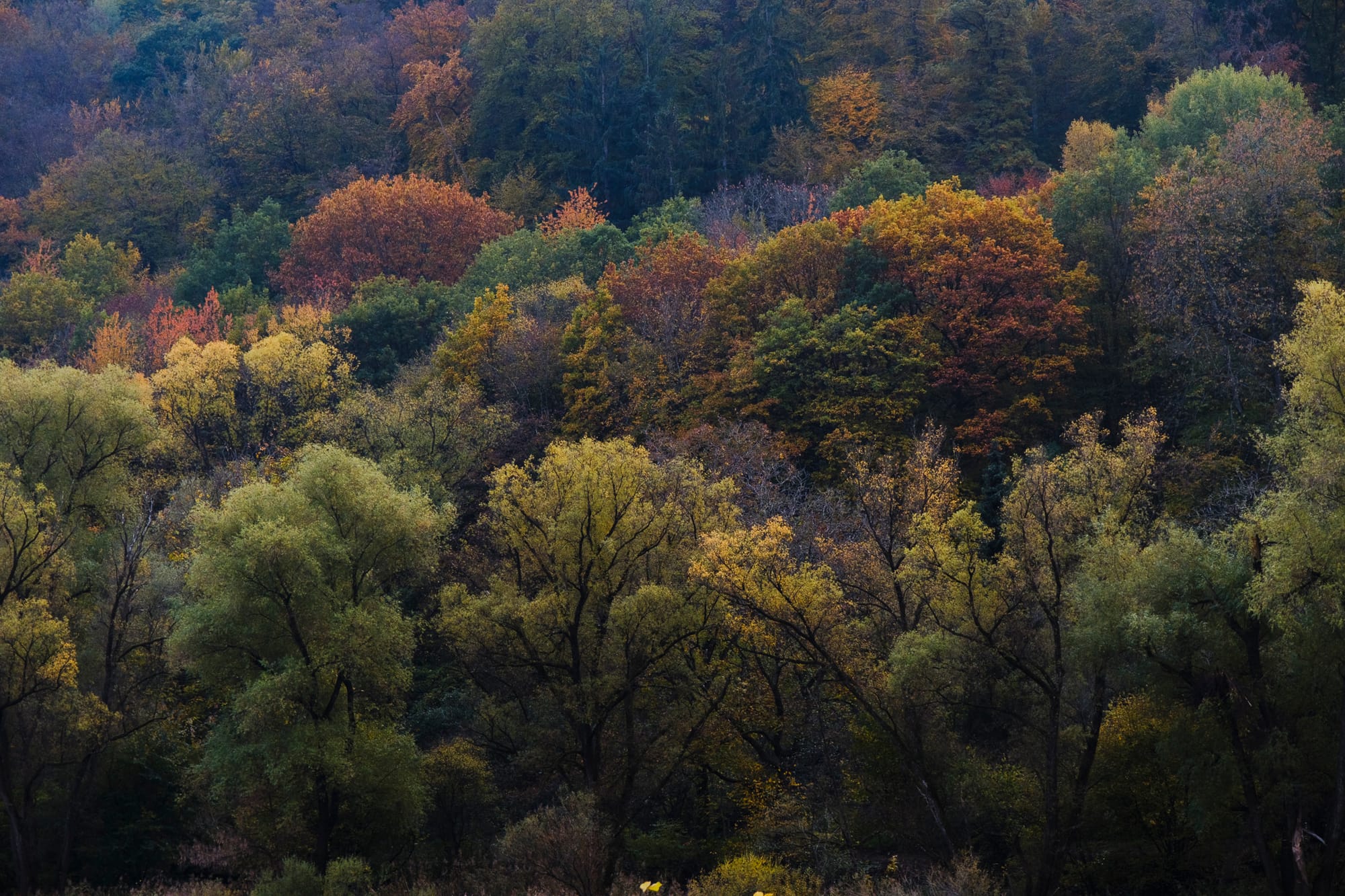
We arrived at that side street after walking for a while. Not walking around the town, but in the German forest that surrounds the Mosel. The Mosel is a river that starts in the Vosges mountains in France and runs into the Rhine at Koblenz. Along it is a wine region famous for its Riesling, a white wine with fruity notes. It's delicious, and a perfect complement to the landscape around it. Forested hills rise on both sides, the Eifel to the north and the Hunsrück to the south, as if they were protecting the river and the small valleys where the towns sit. The vineyards climbing the slopes are the perfect backdrop. Some of them are so steep that the grapes are still picked by hand, carrying the crates up and down the hill. I guess the freshness of the wine is the reward for all that work.
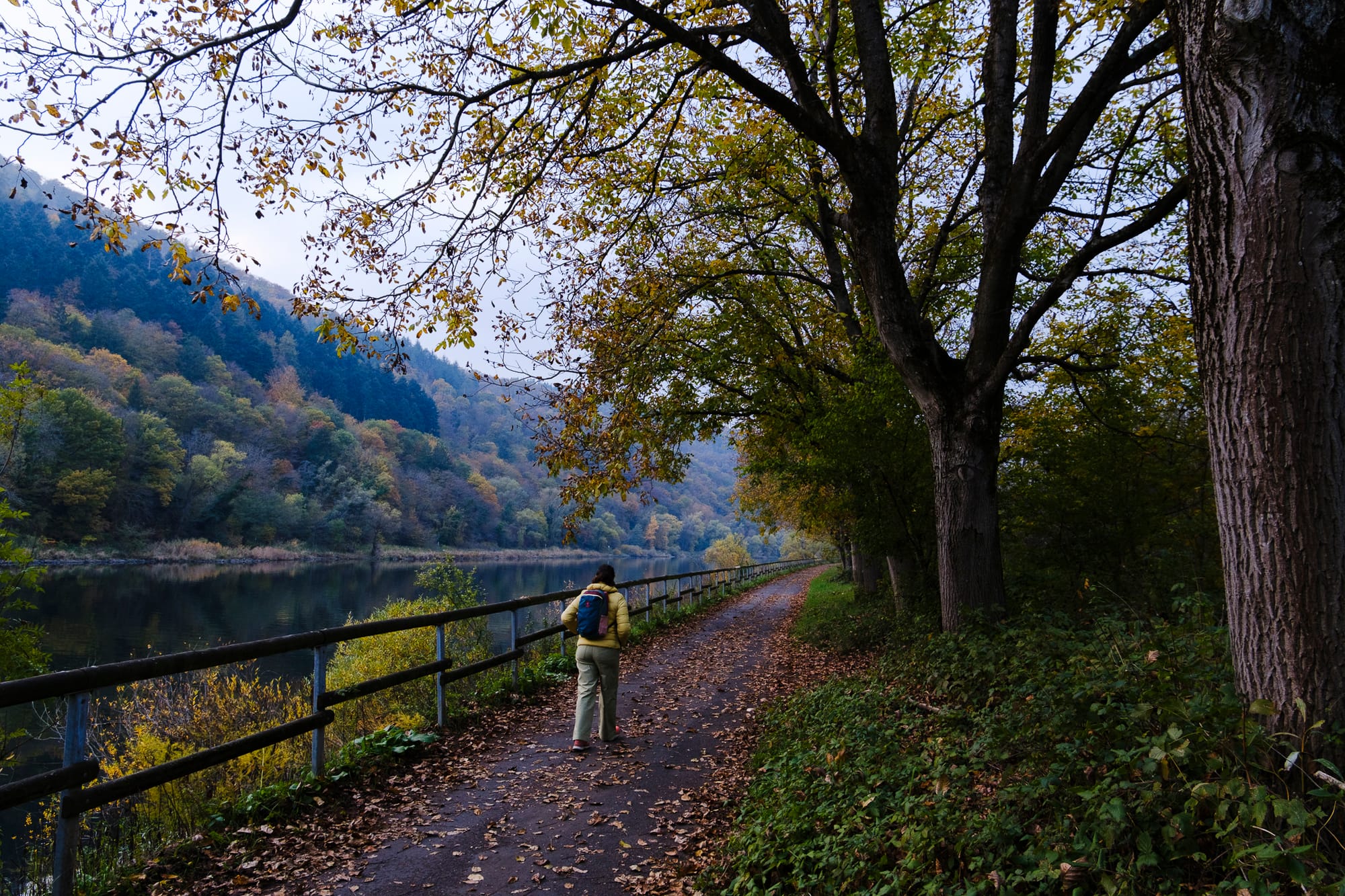
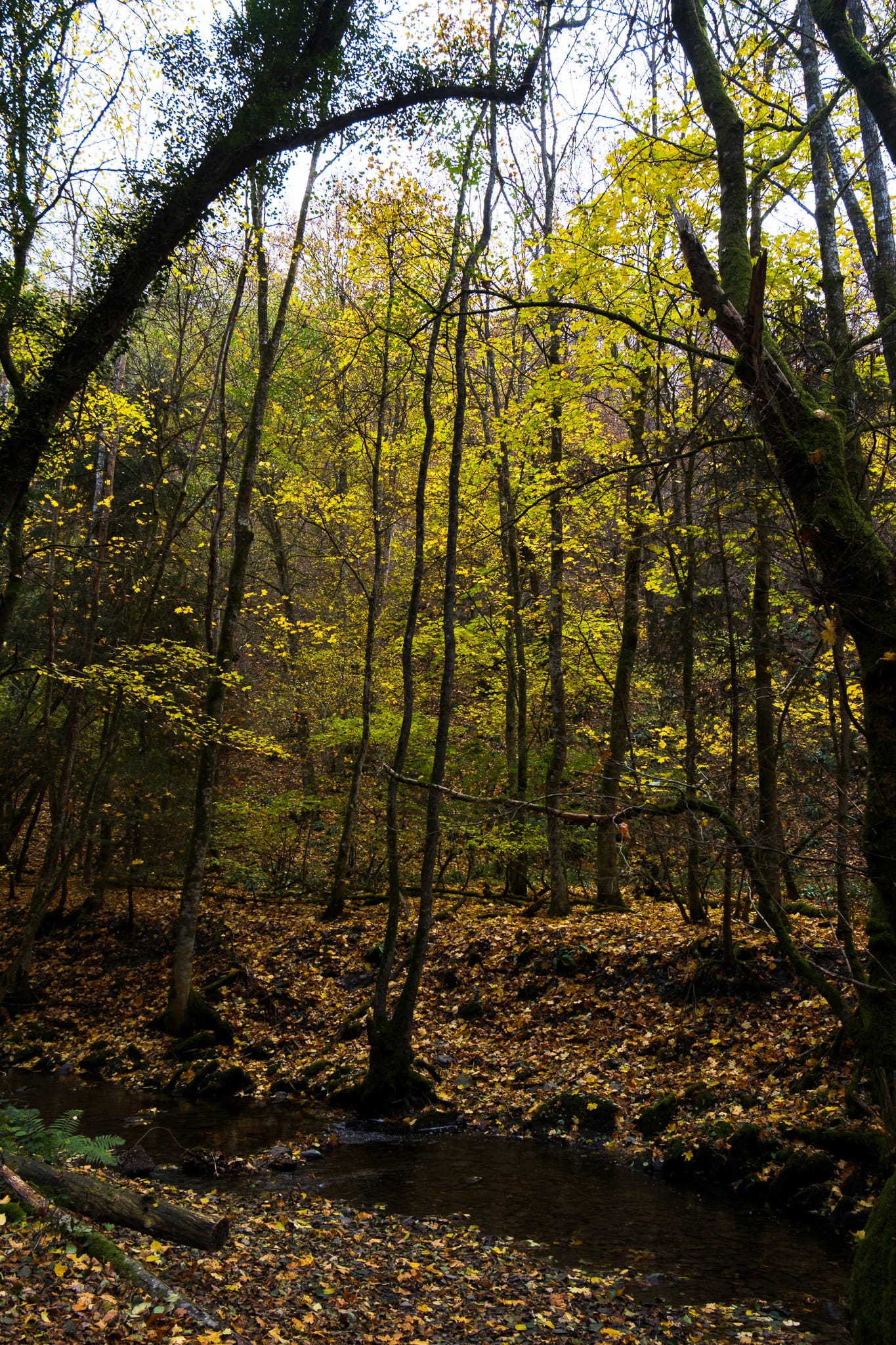
We walked part of Im Tal der wilden Endert, a trail of about 21 km that follows the Endert stream from Ulmen down to Cochem. Along the way we kept seeing markers for the Eifelsteig, a long-distance route that goes from Aachen to Trier in 15 stages. The goal was not to walk the whole trail, but to be in the forest, enjoy autumn and its colours, and get out of the city for a while. These past few weeks have been a bit hectic. What better way to reset than a day in nature, ending with a glass of wine?
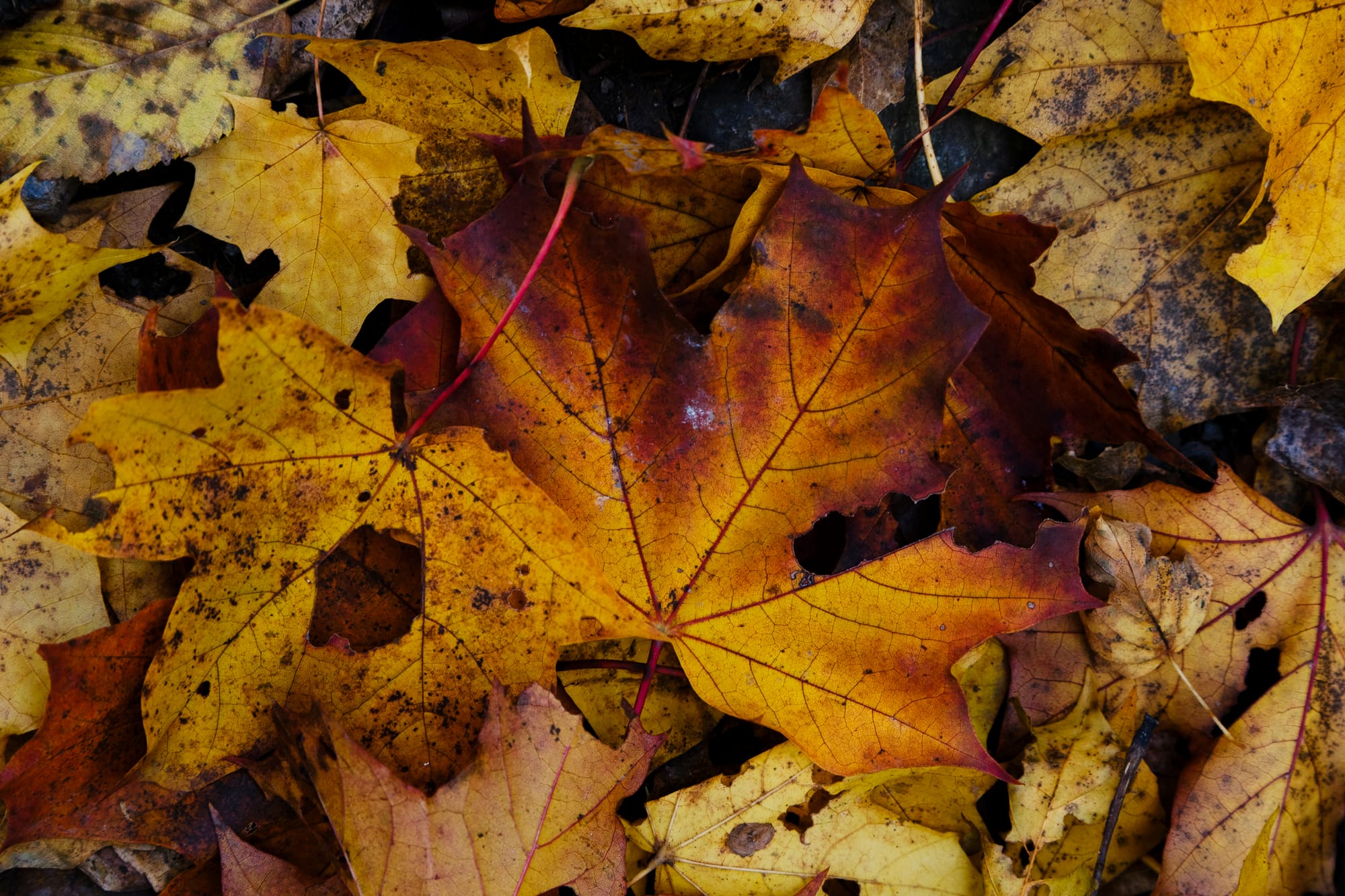
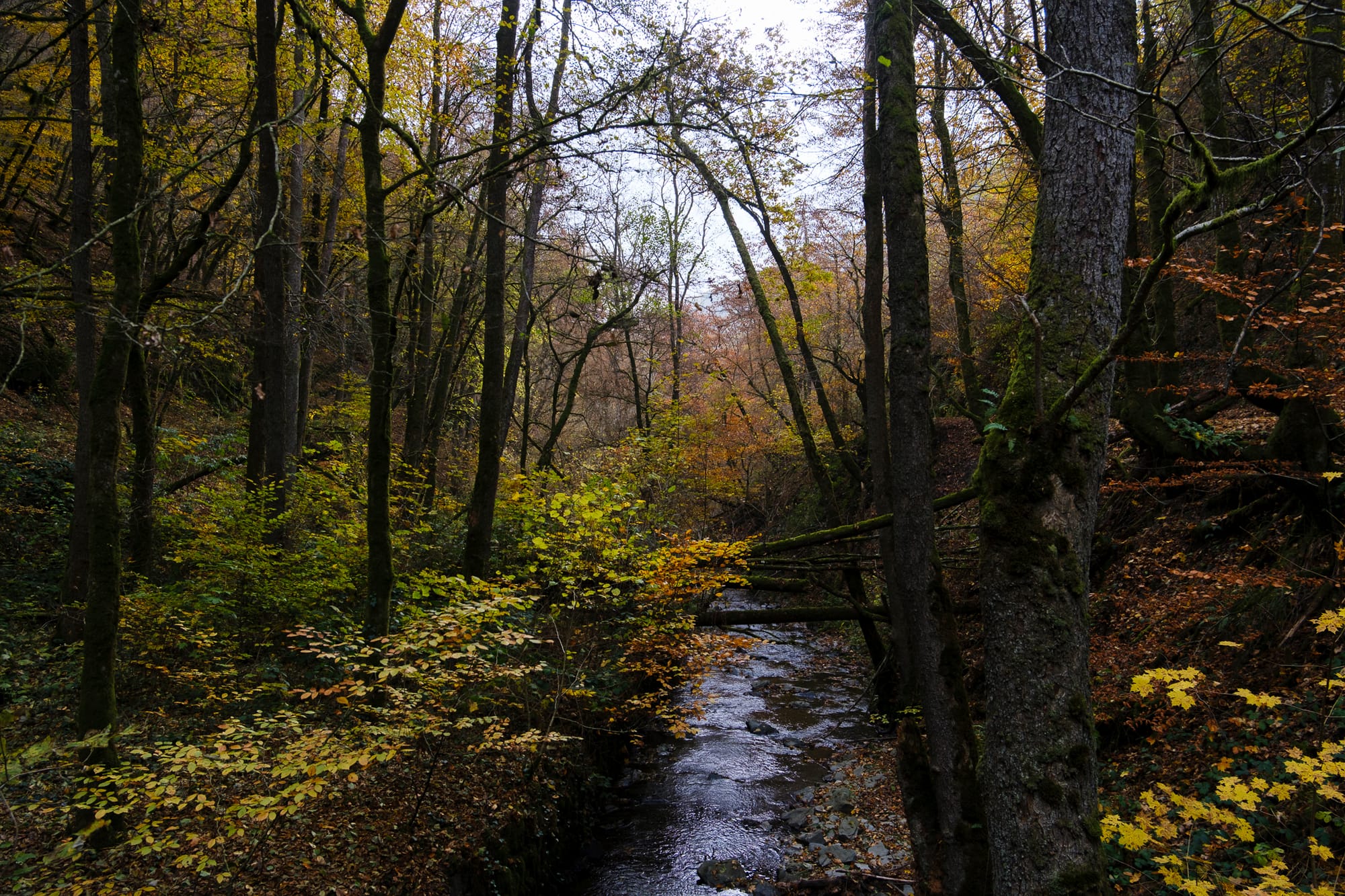
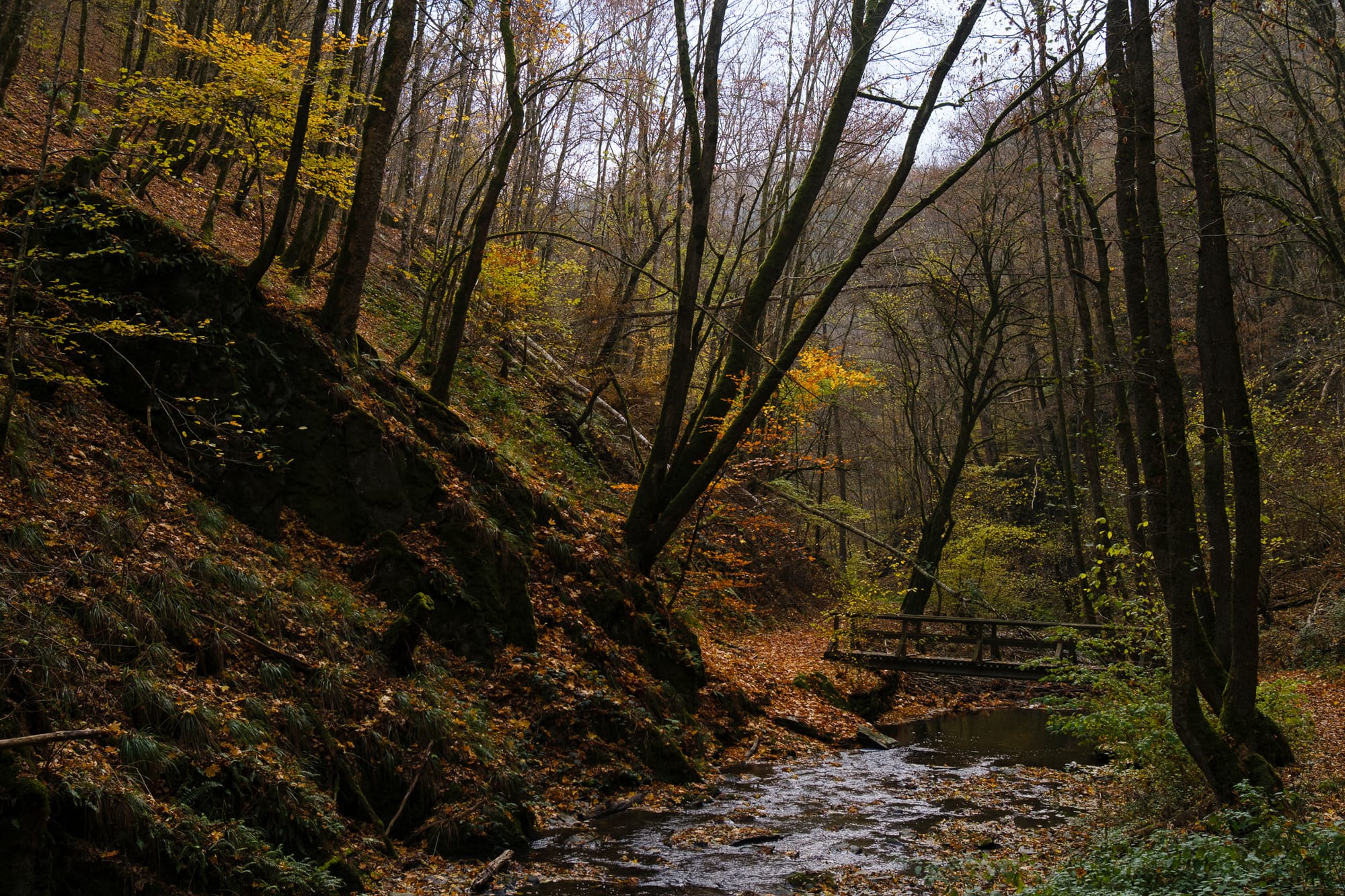
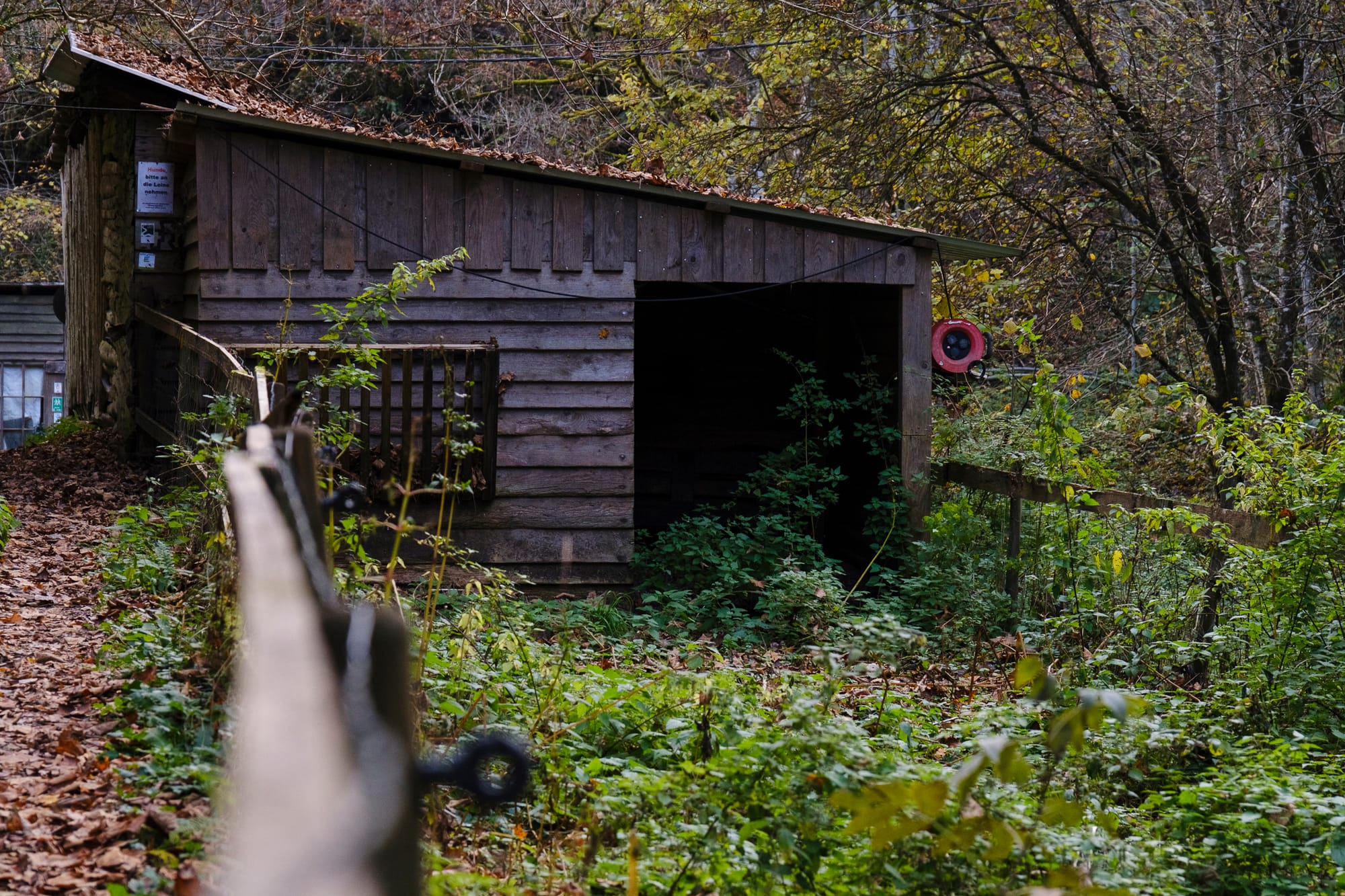
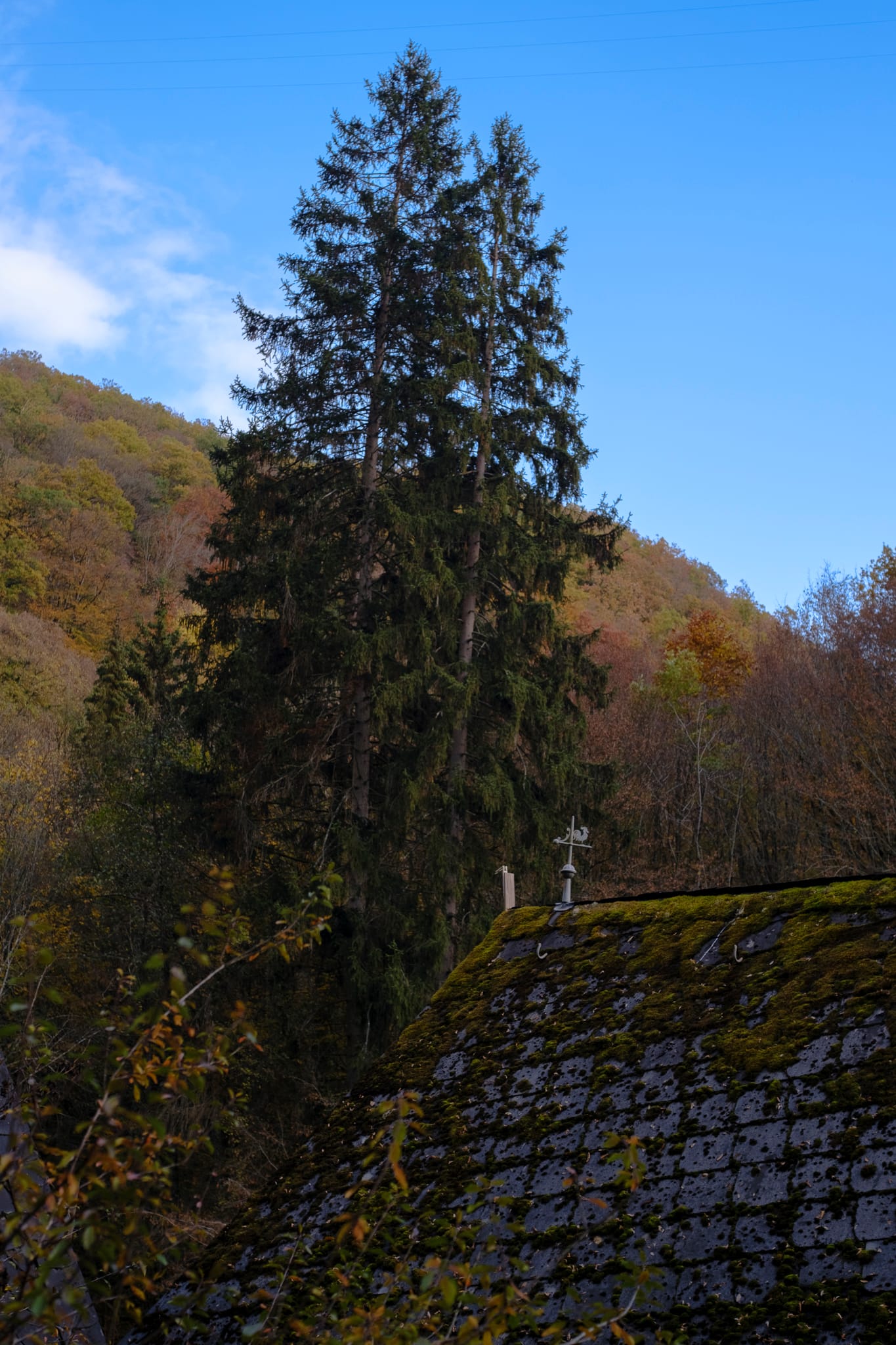
And we did. We enjoyed the hike up into the mountains, following a creek upstream, surrounded by a forest that is preparing for winter. Yellow, red, and some still green leaves, the path covered in leaves that make that peculiar clacking sound under your feet. As we climbed, the vegetation changed little by little, from pines to maples. The signs marking the different towns along the route. Mountain huts spread along the way, and a mountain restaurant. An old wooden building, inside it: a warm place to have a meal, drink a beer, recharge, and keep moving. The highlight was talking with the locals, getting their beer recommendation (the local one), and a couple of sausages with mustard and bread, a perfect mountain combo.
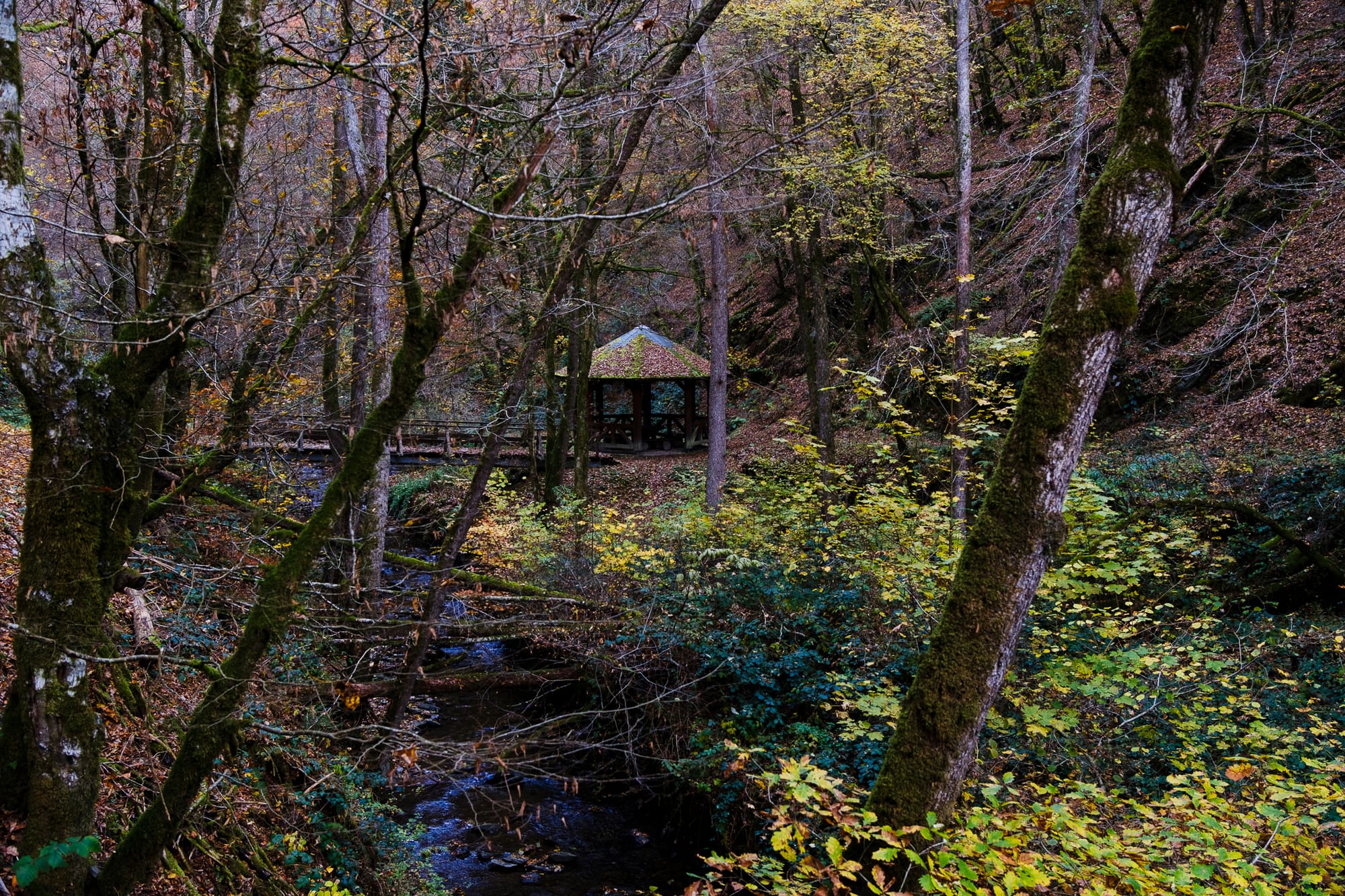
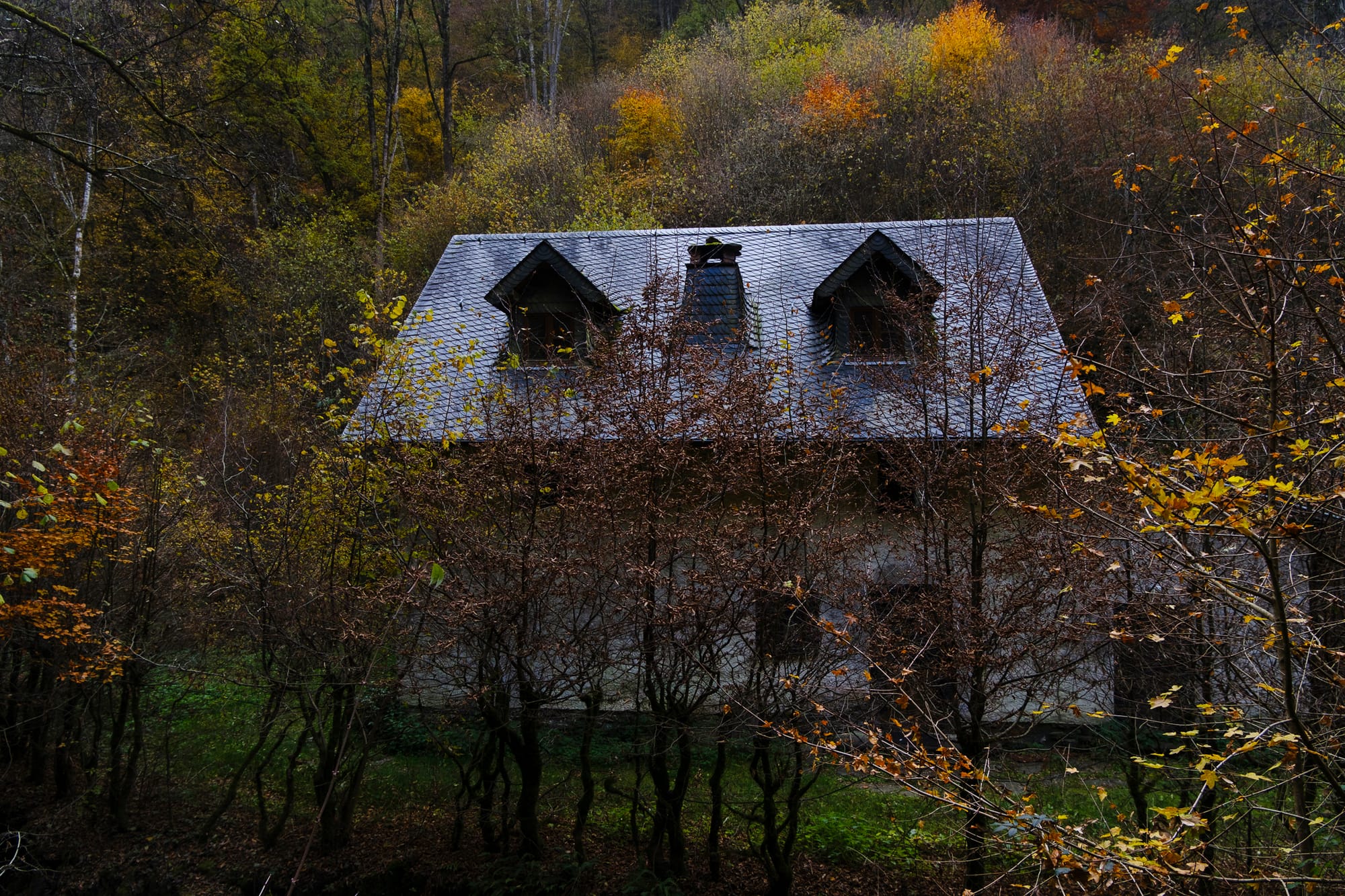
Down the mountain. There we were, looking at that wooden door and the faint light coming out of the window. There's a certain cosiness to those places, small, hidden from the main path, but completely alive inside. As we opened that creaking door we found what used to be a bread oven some hundred years ago. Now it is a small social hub to sit, drink wine and chat. That's what we did.
We sat down next to a German couple and started talking. They have been coming to the area since they were kids, spending days travelling along the Mosel, picking grapes while their parents went hiking, and now they come to spend autumn days with friends, hiking, and visiting the local winemakers. As with everything, they have noticed changes in the last couple of years: tourists coming in summer hauled in by bus to take pictures and get back on the bus, no contact with the place, no interest in the people. It's like going to Disneyland, getting the facade, taking the photo, moving on, and repeating in the next town. The marks of over-tourism are showing up everywhere.
The value of slow travelling is learning more about a place and trying to know the people, the stories behind it. Connect with strangers while talking about food. Here we are with a German couple being nostalgic about food and sharing a similar experience. Old people are closing down their restaurants, and some flavours are getting lost. It's like thinking of grandma's food: we know its taste, but once our grandmas pass away, we will never taste it again.
When we left, the door made its noise again. Outside the air was cold, and the street empty, as if there was nothing happening. The light in the window was still on.
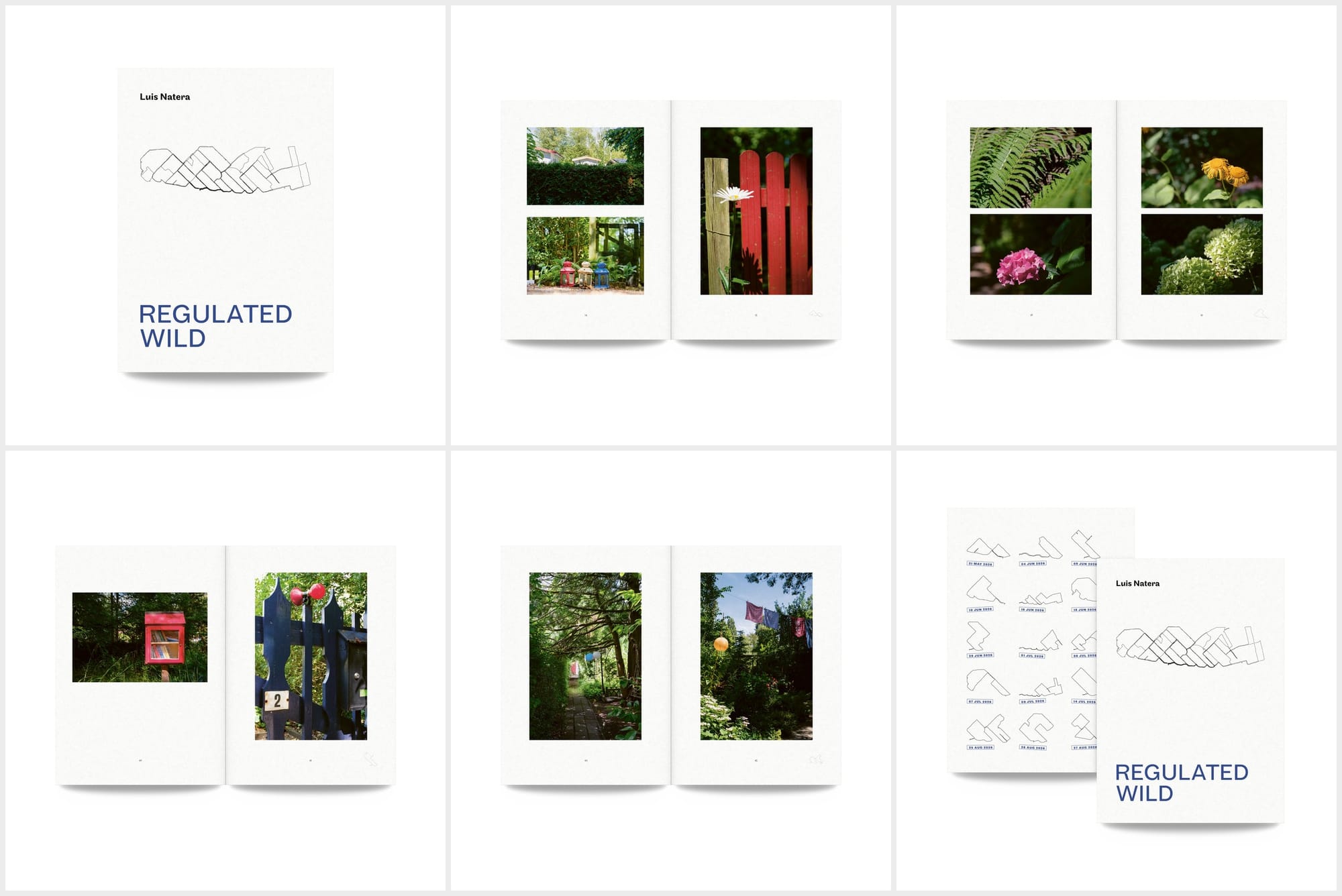
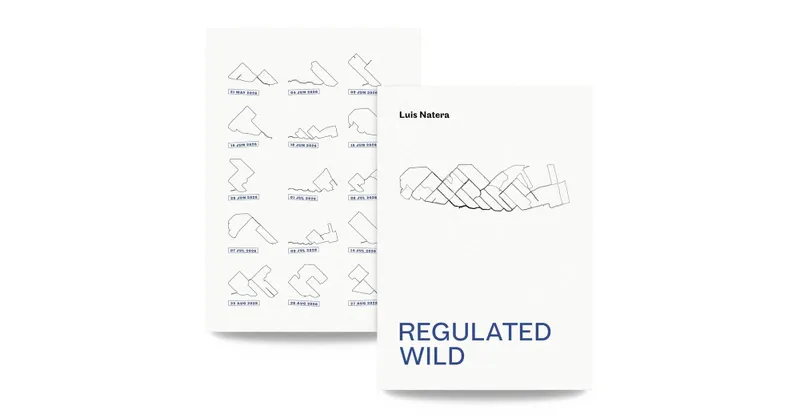
Regulated Wild
My first photobook. Limited edition of 250 copies, 56 pages on Munken Pure Rough. 10% off during the presale until 15 November.
P.S. Is there a flavour you can't find anymore? A grandma recipe, or a small restaurant that closed down? Hit reply and tell me about it, I read and reply to every email.