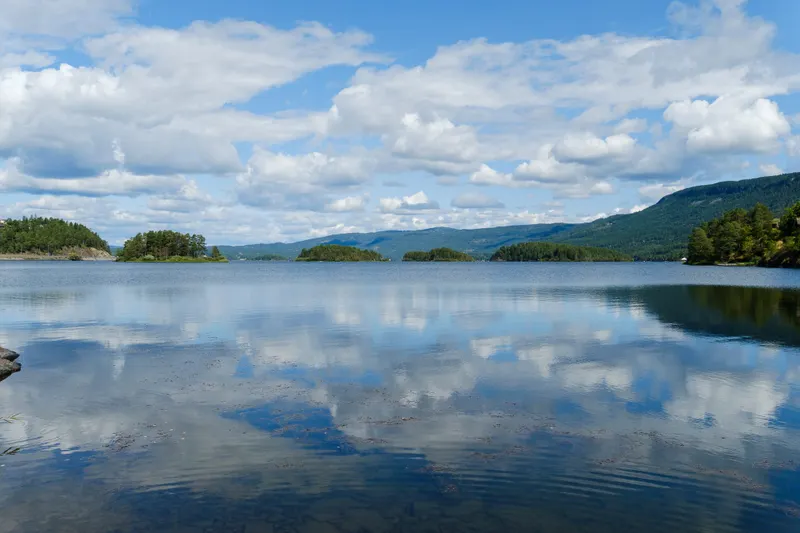
This summer I was working on a project about photography on work breaks, something that started as a way to break the monotony of workdays, the meetings, coding, and so on. It was a way to foster creativity in the middle of the day, take some steps out and away from the computer, enjoy the weather, and observe. The idea was simple: fifteen small breaks, walking with the camera, a single lens, and observing my immediate environment. The setting: the allotment gardens in front of my house in Amsterdam.
And I walked. I did the first walk and noticed that the park, and the small gardens, had their own life, each garden reflecting the presence of its gardeners. Small details, nature taking over, or playful items that contrasted with the vegetation all along the park.
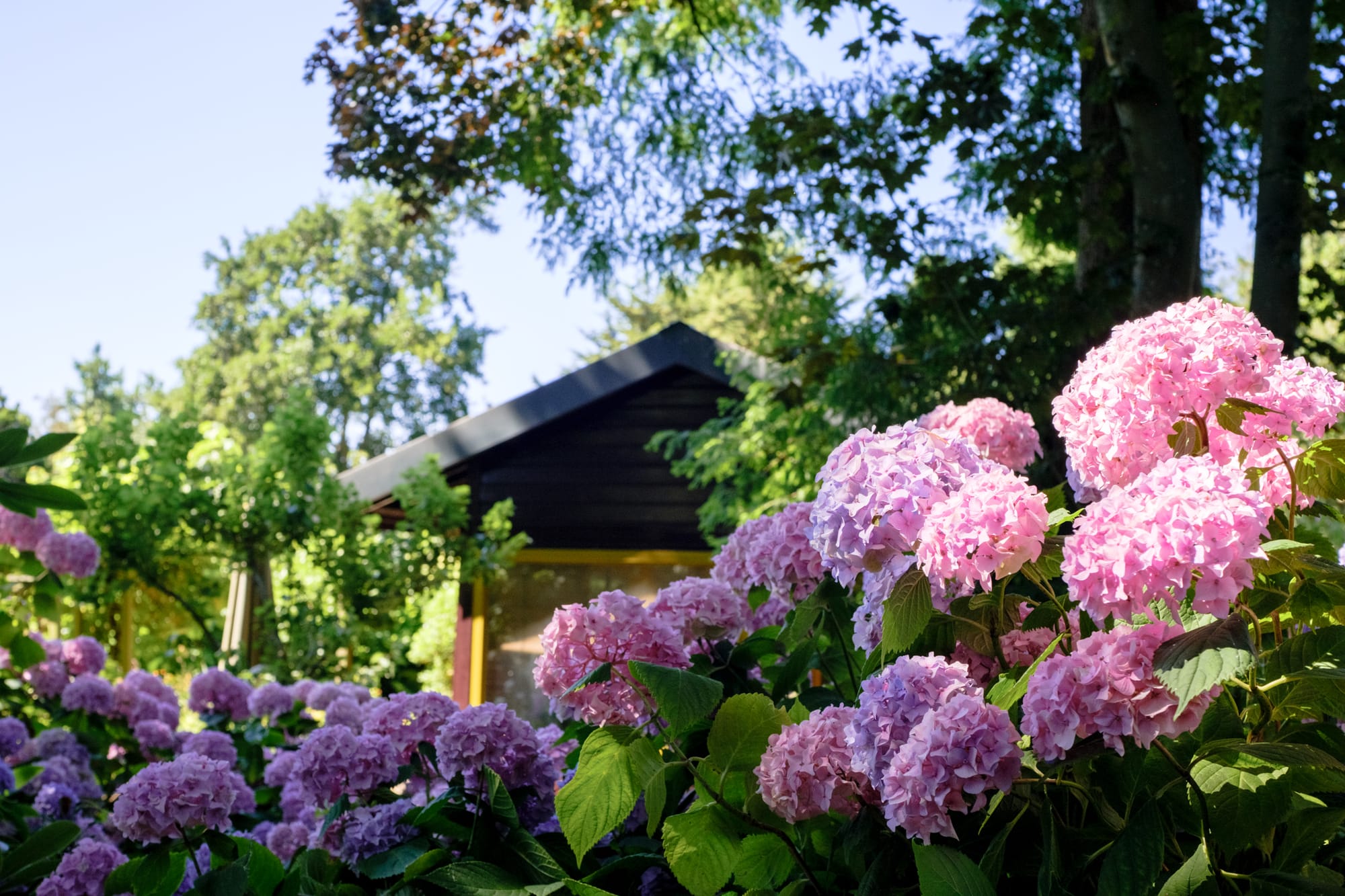
The fifteen walks, and the body of work that came out of them, are a break. A break from the monotony, and a window into summer. As the months passed, and I collected more and more photos, I started to think about the next steps. If the walks were meant as a break from my digital life, then the result should also point in the same direction: move beyond the digital photos. And it did. The photos evolved into their own book.
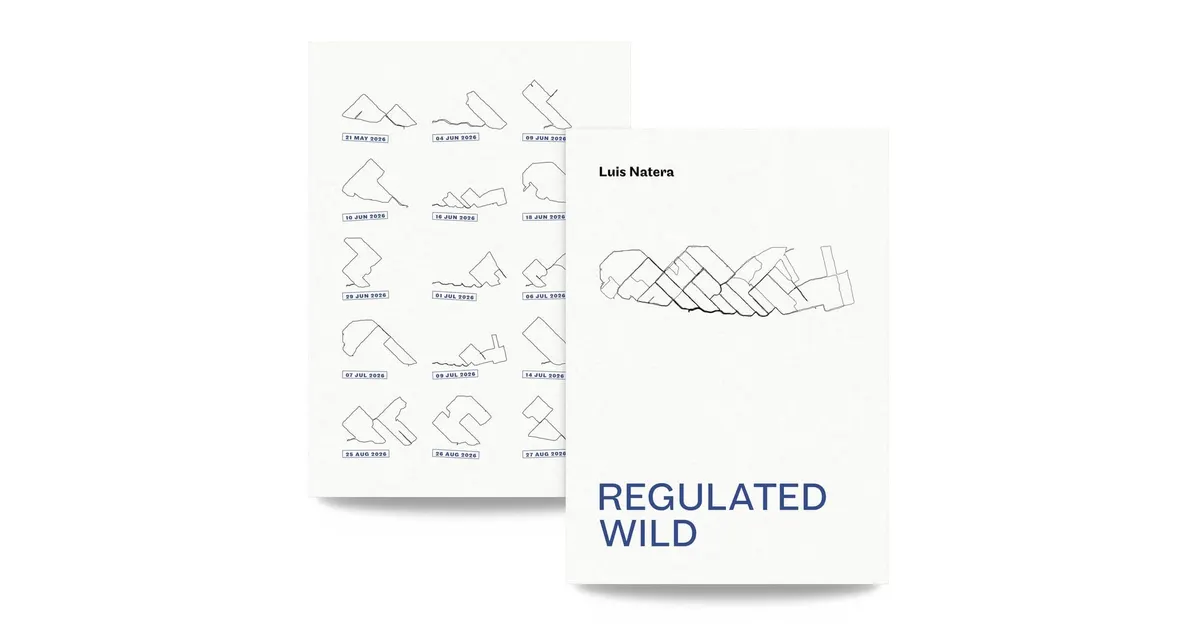
My first photobook. A body of work that represents a break, in the sense of taking the time to enjoy life, to be outside, to observe, not only with the eyes, but to truly observe: walking, listening, feeling, smelling. The book is a limited edition of 250 copies, with 56 pages printed on Munken Pure Rough.
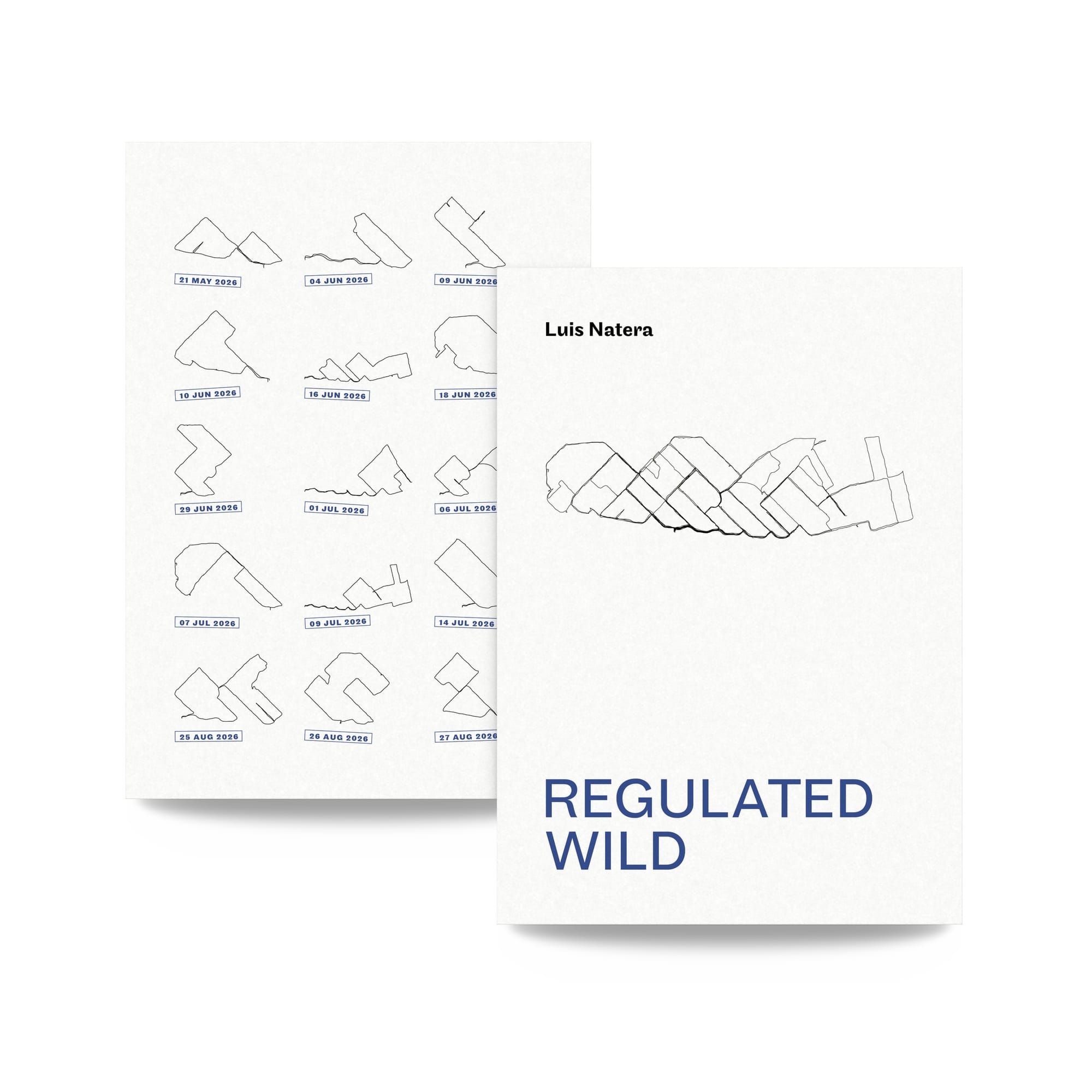
Regulated Wild is now on presale at my new shop, shop.luisnatera.photo, until 15 November. During the presale the book is 10% off its €35 price (+ shipping), and you can add a limited edition fine art print as a bundle. And because you're reading this, you get another 10% off: subscribers to this newsletter get it on every purchase, just by using their email at checkout. Consider it a thank you for following along.
As summer ended, the work moved indoors. First, editing, making sure that the photos were good, that the framing, colours, and so on were on point. Then, printing the photos, the first step to move beyond the screen, reviewing the full body of work, selecting the good ones, the maybes, and discarding the ones that didn't make the cut. Then, sequencing: making the story, reviewing which photos work together, which ones didn't fit the narrative, and which of the maybes ended up tightening the book.
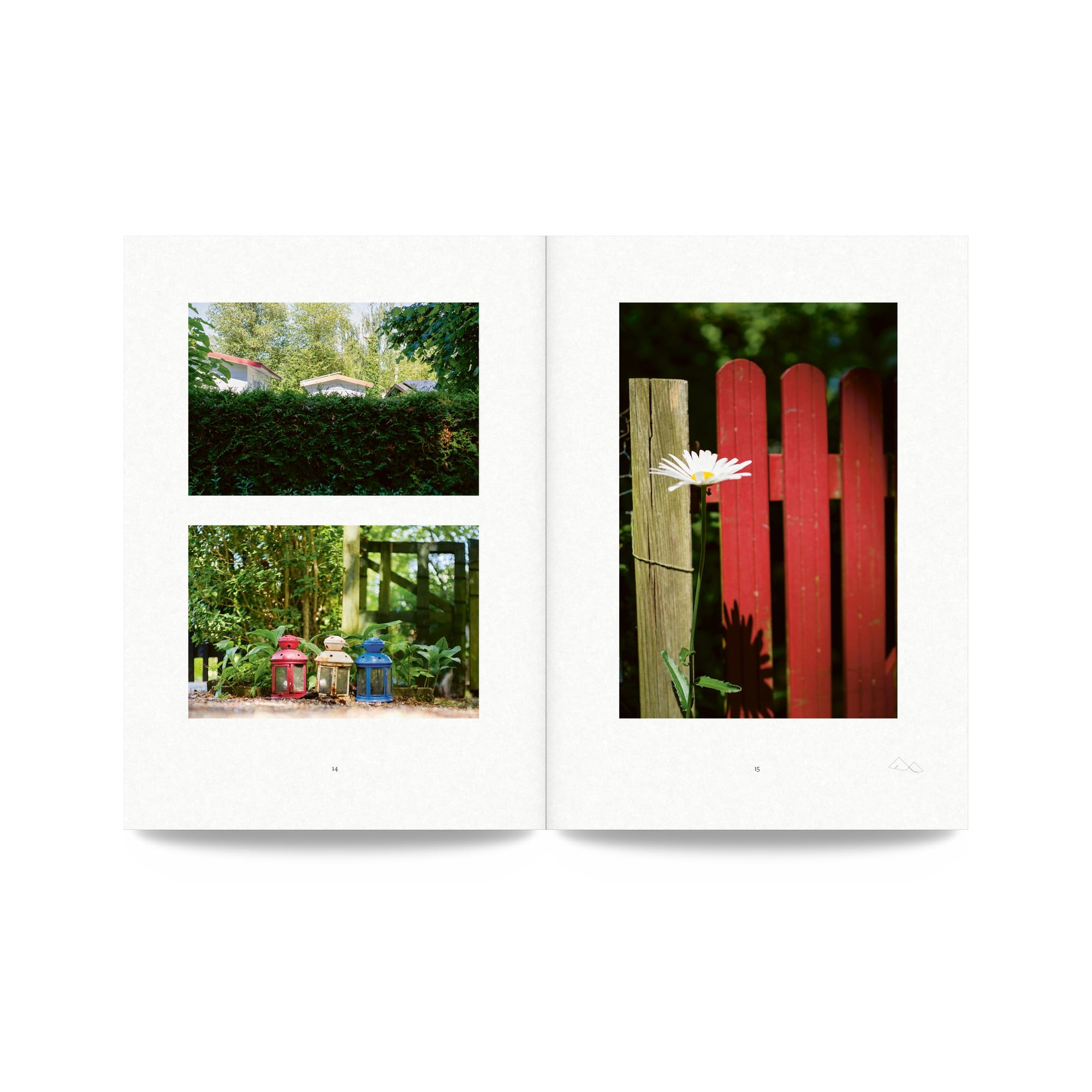
Over the last months I've been working on the final steps, designing the layout, putting the photos together, selecting fonts, designing the cover, and printing some dummies to make the final edits as close as possible to the final version of the book.
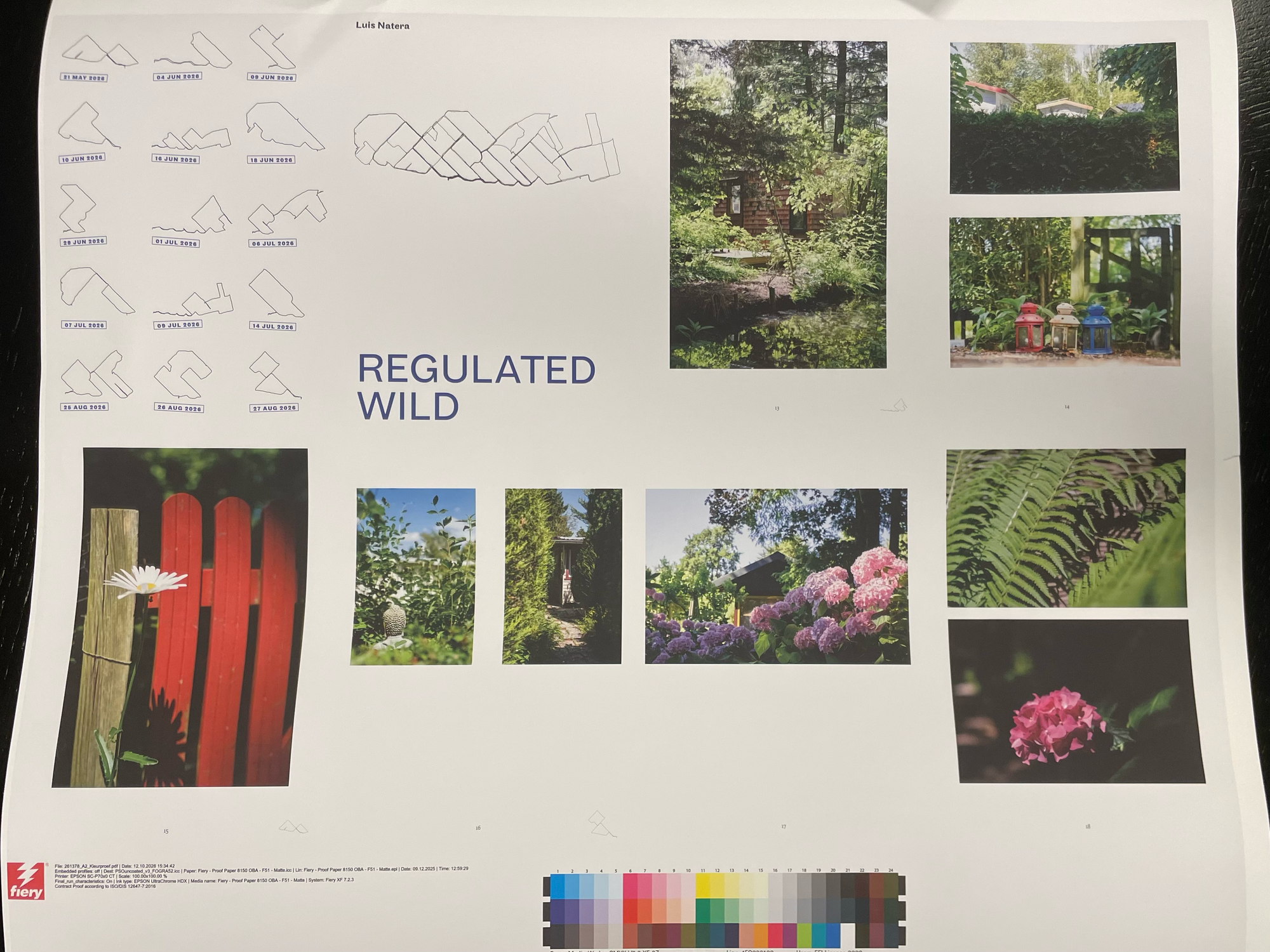
Finally, for the last few weeks I've been working together with the printer. First by selecting the paper to be used, a paper that favours the printing of photos, that adds a bit of texture to the story. Then selecting the binding, little details that have a big impact on how the book feels in your hands, allowing it to open flat. And finally, making a test print to check for colour accuracy, the final step before printing.
And we are getting closer to that moment, to get the book as a physical object and have it in my hands and, hopefully, in yours too.